
Disclosure: As an Amazon Associate, we earn from qualifying purchases made through links on this page, at no extra cost to you.
If you mostly drink straight espresso, the boiler inside your machine barely affects your morning. If you make cappuccinos and lattes, it changes almost everything about the routine: how long you wait between pulling a shot and steaming milk, whether the second drink tastes as good as the first, and how much attention the machine needs before it is ready. That is why single boiler, double boiler, and heat exchanger machines keep coming up in buying guides, even though all three can pull a good shot.
This guide focuses on workflow rather than engineering diagrams. If you want the background on each boiler type first, start with our espresso machine boiler types explained guide, then come back here to match a setup to the way you actually make coffee at home.
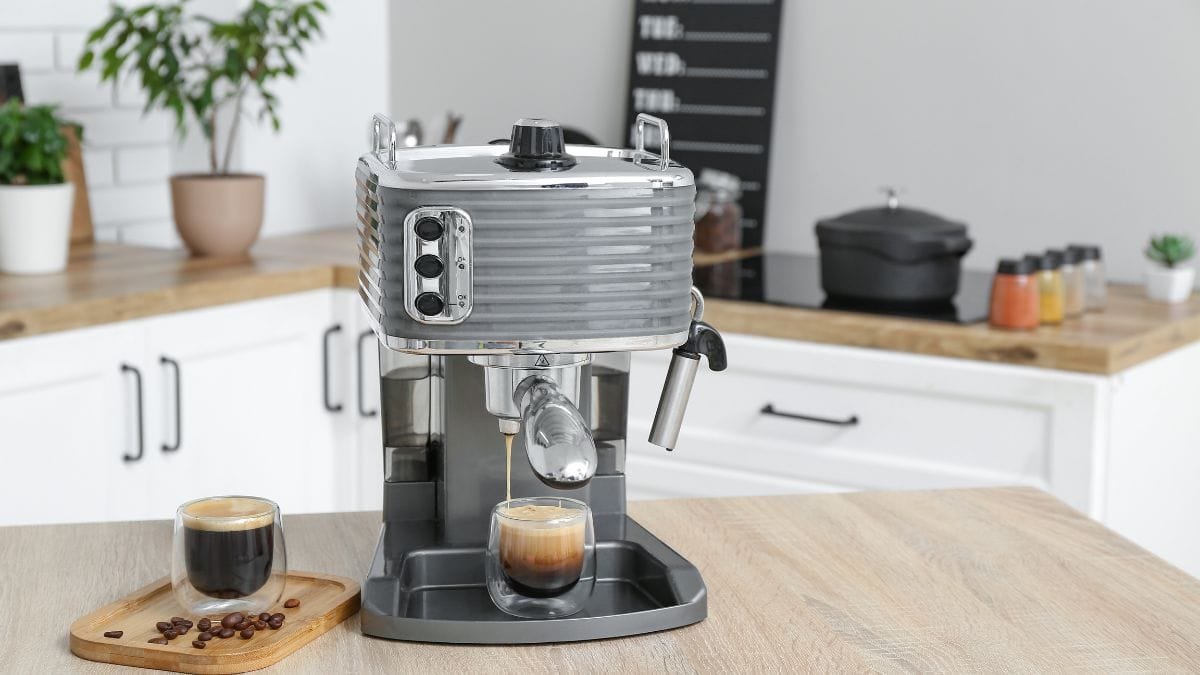
How each boiler setup works in plain terms
An espresso machine needs water at two different jobs: brewing water for the shot and steam for milk. The boiler setup decides whether those jobs share one heater, get one heater each, or share a heater in a smarter way.
Single boiler: one heater, two jobs, one at a time
A single boiler machine heats one boiler for brewing, then heats the same boiler hotter to make steam. You pull your shot, wait for the boiler to reach steam temperature, steam your milk, and then wait again if you want a second shot. The machine is usually simpler, smaller, and easier on the budget, which is why it shows up in many first machines.
The trade off is sequencing. A single boiler setup asks you to plan the order: shot first, milk second, and a pause between drinks. For one straight espresso or one cappuccino at a relaxed pace, that pause is easy to live with. For two milk drinks back to back before work, it starts to feel slow.
Double boiler: one heater for brewing, one for steam
A double boiler machine keeps brew water and steam separate. One boiler stays at brewing temperature while the other stays ready for steam, so you can pull a shot and steam milk at the same time. The second cappuccino follows the first with almost no waiting, because neither job has to wait for the other heater to catch up.
The trade off is size, weight, and cost. Two boilers need more room inside the case and more power, so these machines tend to be larger and heavier on the counter. They also tend to sit at the higher end of home machine prices, which makes sense only if you will use the simultaneous brewing and steaming often enough to notice it.
Heat exchanger: one boiler, a tube that borrows heat for brewing
A heat exchanger machine uses one large boiler kept at steam temperature. Brewing water runs through a tube inside that boiler, picking up heat on the way to the group head. The result is a middle path: you can steam milk and pull shots with much less waiting than a single boiler, without fitting two full boilers into the case.
The trade off is a short routine of its own. Because the water in the tube can sit and get hotter than brewing temperature, many heat exchanger machines ask for a brief cooling flush before the shot: run a little water through the group head until it settles, then brew. Once that step becomes habit, it takes seconds, but it is one more thing to learn when you first bring the machine home.
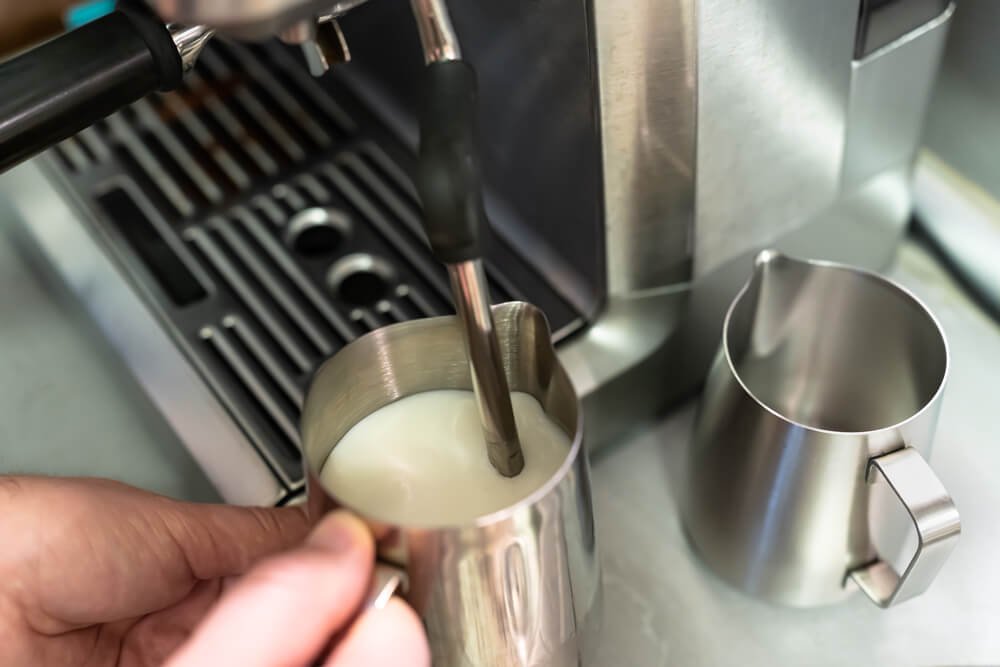
Morning workflow comparison
The table below compares the three setups on the moments that matter during a normal morning, not on paper specifications. Warm-up feel and wait time vary by model, so treat these as typical patterns for each design.
| Setup | Shot, then milk | Second milk drink | Extra step to learn | Check price |
|---|---|---|---|---|
| Single boiler | Pull the shot, wait for steam temperature, then steam | A pause while the boiler returns to brewing temperature | Sequencing shots and milk | Check price on Amazon |
| Double boiler | Pull the shot and steam at the same time | Ready almost right away | Very little, beyond normal setup | Check price on Amazon |
| Heat exchanger | Pull the shot, steam right away or at the same time on many models | Ready with little waiting | A short cooling flush before brewing | Check price on Amazon |
Which workflow fits your mornings
One straight espresso, or one milk drink at a slow pace
A single boiler machine fits here comfortably. You are not racing the clock, and the pause between brewing and steaming is a small part of an unhurried routine. Spend the money you save on fresh beans and a good grinder instead, because grind and dose shape the shot more than a second boiler will for a single drink. Our espresso grind size and dosing guide covers that side of the setup.
Two milk drinks every morning, often at the same time
This is where a double boiler or heat exchanger earns its place. If two people want cappuccinos before leaving the house, simultaneous brewing and steaming turns a ten minute routine into a much shorter one, and the second drink does not suffer from a boiler that is still recovering. A double boiler is the most straightforward version of this workflow. A heat exchanger gets you most of the same speed in a smaller, often less expensive machine, provided you are happy to learn the cooling flush.
A household that mixes straight shots and milk drinks
Think about who drinks what. If one person drinks straight espresso and another drinks lattes, a double boiler lets both routines run without compromise: the espresso drinker never waits for steam, and the latte drinker never waits for the boiler to cool back down. A heat exchanger handles the same mix well, with the flush as the only added step. A single boiler can still work, but the person making both drinks will spend more mornings sequencing shots, steam, and cool down in the right order.
Small kitchens and first machines
Counter space and weight matter as much as speed. Single boiler machines are usually the most compact of the three, which helps in a small kitchen. Double boiler machines need a firm spot on the counter and room to work around them, so measure before ordering. If you are still deciding between a hands-on machine and a push-button one, our semi-automatic vs super-automatic comparison pairs with this guide: the boiler choice decides the workflow, while that choice decides how much of the work the machine does for you.
What to check before you buy
Use this short checklist with any machine you are considering, whatever the boiler type.
- Count the milk drinks on a normal morning, not on a weekend. Two or more back to back milk drinks point toward a double boiler or heat exchanger.
- Measure your counter space and check the machine weight. Larger double boiler machines are harder to move for cleaning and descaling.
- Ask how the machine handles the cooling flush, if it is a heat exchanger. The manual or product page should describe the step plainly; if it does not, that is worth a question before buying.
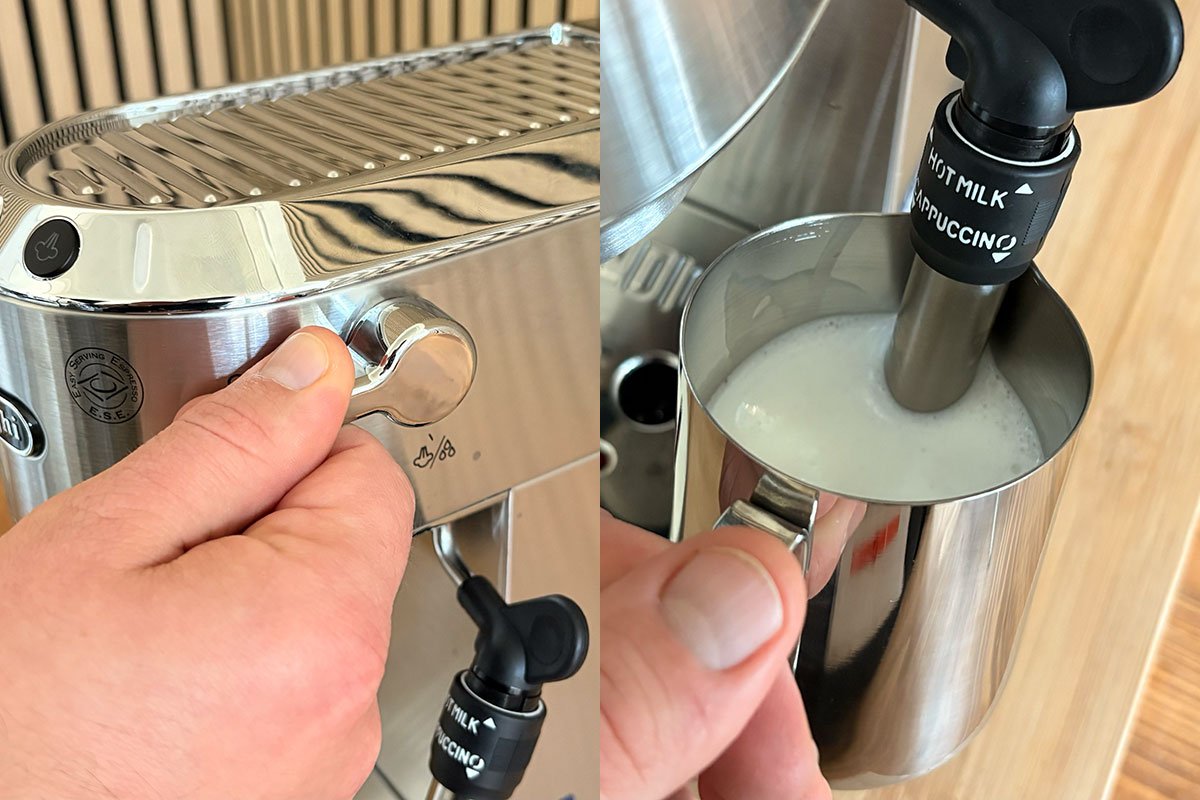
- Budget for a milk pitcher that fits your drinks. A pitcher sized for one drink steams more evenly than an oversized one used for a small amount of milk. Check price on Amazon
- Remember the grinder. A consistent grind and a sensible dose matter on every boiler type, so keep part of the budget for the grinder if you do not already own one.
Common questions
Does a double boiler make better tasting espresso?
Not on its own. A double boiler makes the workflow easier and more stable when you brew and steam together, but shot quality still comes down to beans, grind, dose, and technique. A well dialed single boiler shot can taste better than a careless double boiler shot.
Is the heat exchanger cooling flush hard to learn?
Most owners learn it within the first few days. Run water through the group head until the flow settles, then brew as normal. The habit matters more than precision, and it quickly becomes part of the same routine as warming the cup.
Can a single boiler machine handle guests?
Yes, with patience. Making four cappuccinos on a single boiler takes noticeably longer than on a double boiler, because each drink waits on the boiler. For occasional guests that is fine. For a house that hosts milk drinkers every weekend, the wait becomes the reason to step up to a heat exchanger or double boiler.
The short version
Match the boiler to the busiest version of your morning, not the quietest one. A single boiler suits one drink at a relaxed pace and a smaller counter. A heat exchanger suits back to back milk drinks with a short flush to learn. A double boiler suits households that brew and steam at the same time, day after day, and have the space and budget for it. Pick the workflow you will actually live with, and the machine will stop getting in the way of the coffee.
1 thought on “Single vs Double Boiler vs Heat Exchanger: Which Espresso Workflow Fits Your Mornings?”
Comments are closed.