
As an Amazon Associate, we earn from qualifying purchases made through links on this page, at no extra cost to you.
For many home espresso drinkers, the milk matters as much as the shot. A cappuccino with thick, dry foam tastes nothing like a flat white with silky, glossy milk, even when the espresso underneath is identical. The tool you use to froth the milk decides which of those drinks you can make well, how much practice it takes, and how much cleaning you face afterward.
Three methods cover almost every home setup: the steam wand on an espresso machine, a standalone automatic frother, and a small handheld frother. Each one heats and aerates milk in a different way, and each one has a clear set of strengths and limits. This guide compares them side by side so you can pick the method that fits your drinks, your budget, and the amount of effort you want to put in each morning.
How each method works
The steam wand
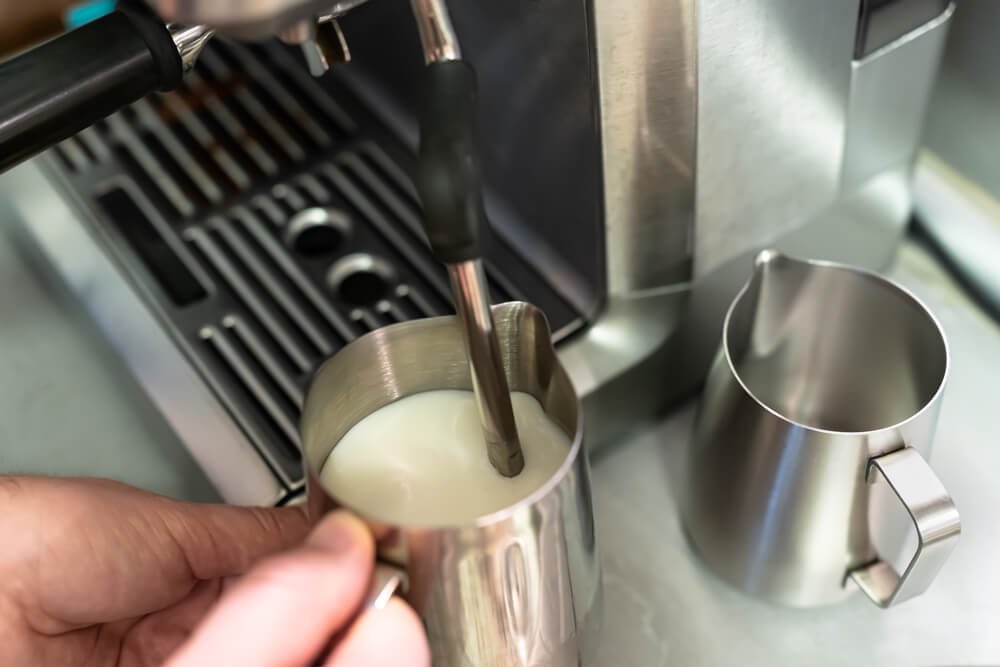
A steam wand is a metal pipe on an espresso machine that releases dry steam into a pitcher of cold milk. You hold the pitcher at an angle, lower the wand tip just below the surface to draw air in, then sink it deeper to heat and mix the milk into a smooth texture. The whole process takes well under a minute once you learn the motion, and the result can range from stiff cappuccino foam to the thin, pourable microfoam used for latte art.
The wand gives you the most control of the three methods. You decide how much air goes in, how hot the milk gets, and when to stop. That control is also the catch. A steam wand takes practice, and early attempts often end up too bubbly, too hot, or too thin. If your machine has a single boiler, you also need to plan around the switch between brewing and steaming, since the two jobs need different temperatures. Our guide to single vs double boiler vs heat exchanger workflow explains how that switch affects your morning routine, and the espresso machine boiler types guide covers the hardware behind it.
A dedicated milk steaming pitcher helps a lot here. A pitcher with a pointed spout makes pouring easier, and a size matched to one or two drinks at a time makes it simpler to judge the milk level and the texture as it changes.
The automatic frother
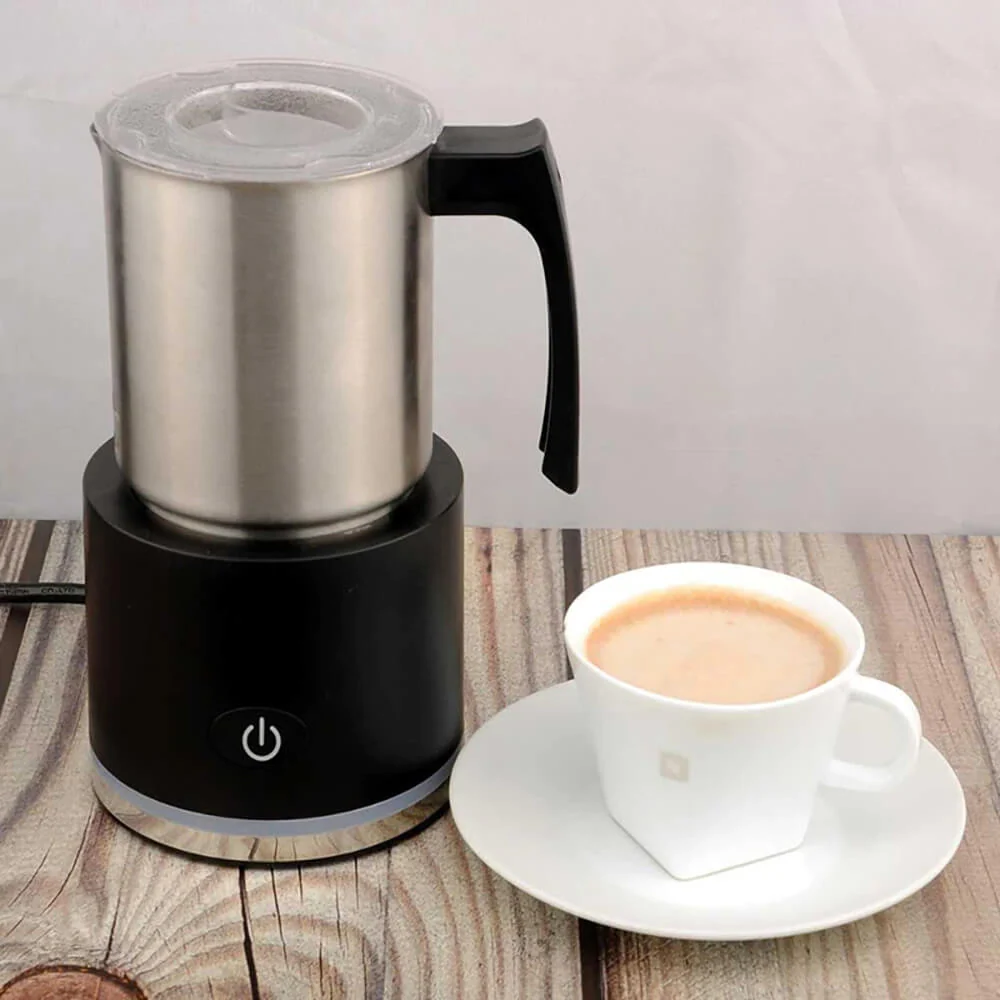
An automatic milk frother is a standalone jug with a heating element and a small whisk inside. You pour in cold milk, press a button, and the machine heats and whisks it for you, then switches off when it is done. Most models offer a hot foam setting and a cold foam setting, and some add a plain warming mode with no foam at all.
The appeal is consistency with almost no skill involved. The same amount of milk, the same button, and the same result each time. The trade is control. You cannot adjust the texture mid-cycle, and the foam from most automatic frothers is thicker and stiffer than steam wand microfoam. That suits cappuccinos and hot chocolate style drinks well, but it makes precise latte art hard, since the foam does not pour as smoothly. Capacity is also fixed by the jug size, so making milk for three or four drinks usually means running it more than once.
The handheld frother
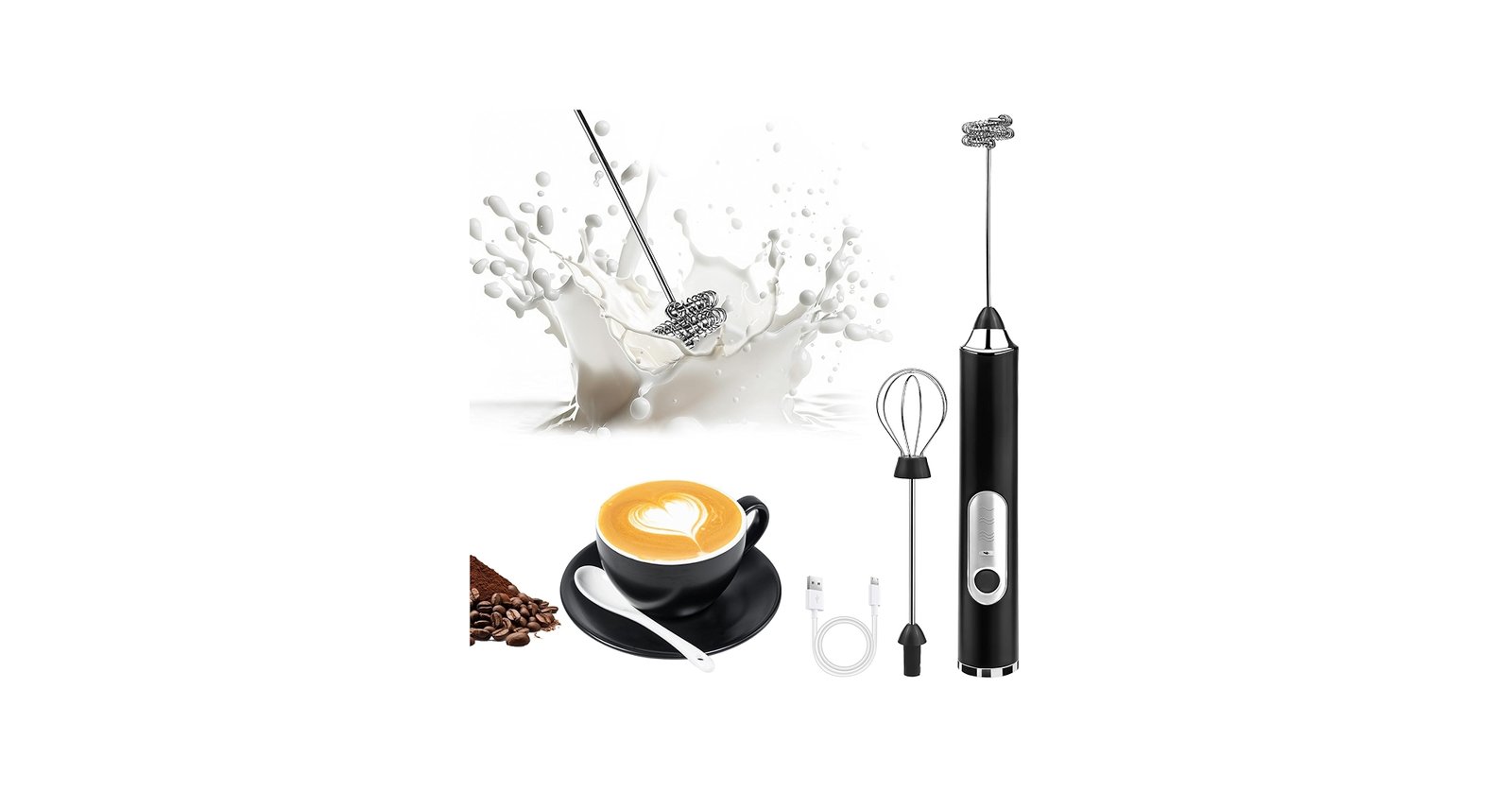
A handheld frother is a battery powered wand with a small whisk at the end. You heat the milk separately, in a saucepan or a microwave safe jug, then dip the whisk in and run it until the milk turns foamy. It is the smallest and cheapest of the three options, and it stores in a drawer.
Handheld frothers make a light, airy foam that works for a simple cappuccino or a milky coffee, but they do not produce true microfoam. The bubbles are larger and the foam sits on top of the milk rather than blending into it, so it is not a good choice if latte art is your goal. They also need a separate heating step, which adds a pan or jug to wash, and they work best with small amounts of milk at a time.
Even so, a handheld milk frother is a sensible starting point if you are not sure how often you will make milk drinks, or if you want foam for coffee from a moka pot or a French press that has no steam wand at all.
Texture: what each method can do
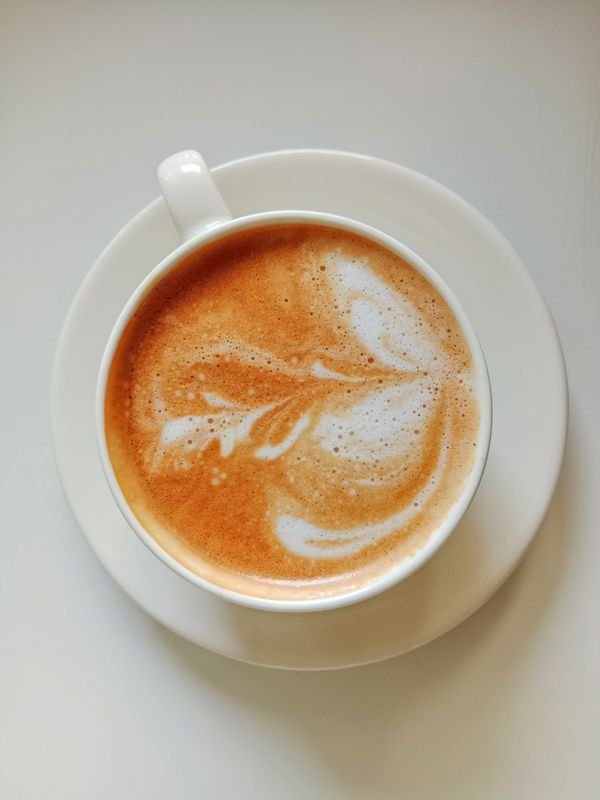
Texture is where the three methods separate most clearly. A steam wand, in practiced hands, makes microfoam: milk with tiny, even bubbles that looks glossy and pours like wet paint. That texture blends with espresso instead of floating on it, which is why it is the standard for flat whites and latte art.
An automatic frother makes a thicker, more stable foam. It holds its shape well in a cappuccino, where a distinct cap of foam is part of the drink, but it resists pouring into a fine pattern. A handheld frother makes the lightest foam of the three. It is pleasant on top of a hot coffee, but it fades faster and never reaches the smooth, integrated texture of steamed milk.
If your main drink is a cappuccino, all three methods can work. If you want flat whites and latte art, the steam wand is the only method of the three that can reliably get you there. If you mostly drink milky coffee without worrying about patterns, texture differences matter less, and ease of use can decide for you.
Ease of use and cleanup
An automatic frother wins on ease. Fill, press, pour, rinse. The jug and whisk need washing after each use, and milk residue can bake onto the heating surface if it sits, but the daily routine is short and simple. It is also the easiest method to hand to someone else in the household, since there is no technique to learn.
A handheld frother is almost as simple to run, but the heating step and the extra jug add work, and the whisk needs a quick rinse right away before milk dries on it. The steam wand takes the most learning and the most attention during use, but cleanup is fast once it becomes habit: purge the wand with a short burst of steam, wipe it with a damp cloth, and rinse the pitcher. Leaving milk on a steam wand is the one mistake to avoid, since dried milk is harder to clean and can block the tip.
For a deeper look at how steam power fits into the machine as a whole, see our guide to espresso machine pump types, vibratory vs rotary, which covers another part of the machine that affects daily use.
Cost, space, and what you already own
The cheapest route is a handheld frother, which costs far less than the other two options and takes almost no counter space. An automatic frother sits in the middle on price and needs a permanent spot on the counter or in a cupboard, plus an outlet. A steam wand costs nothing extra if your espresso machine already has one, but if your machine lacks a wand, adding one means buying a different machine, which is a much larger step.
That last point often settles the choice on its own. If you already own a machine with a steam wand, learning to use it well is usually better value than buying a separate frother. If you brew with a method that has no steam, such as a moka pot or a pour over, an automatic or handheld frother is the practical way to add milk drinks without replacing your brewer.
Comparison at a glance
| Method | Best for | Texture | Effort |
|---|---|---|---|
| Steam wand | Flat whites, latte art, cappuccinos | Microfoam to stiff foam, fully adjustable | Most practice, fast cleanup |
| Automatic frother | Cappuccinos, milky coffee, hands off mornings | Thick, stable foam | Least effort, jug to wash |
| Handheld frother | Occasional milk drinks, small budgets, travel | Light, airy foam | Simple to run, needs separate heating |
If you go the steam wand route, a milk steaming pitcher sized for your usual drinks is the one accessory worth buying first. For a hands off setup, an automatic milk frother covers most milk drinks with one button. And if you want the lowest cost way to try frothed milk at home, a handheld milk frother is easy to justify.
Milk choice and technique basics
Whole milk is the easiest milk to froth with any of these methods. Its fat and protein balance helps form small, stable bubbles, and it gives the richest taste in a milk drink. Lower fat milks still froth, but the foam tends to be thinner and to fade faster. Plant based milks vary a lot: barista versions are usually formulated to steam more like dairy milk, while standard cartons can split or stay thin, so it is worth testing one brand at a time rather than assuming all oat or almond milks behave the same way.
A few habits help whatever method you use. Start with cold milk and a cold pitcher or jug, since milk that is already warm foams less well. Do not reheat milk that has already been frothed, as it loses texture and can taste flat. With a steam wand, keep the tip clean and purge before and after each use. With an automatic frother, stay within the marked fill lines, since overfilling leads to spills and underfilling can scorch the milk. With a handheld frother, keep the whisk just below the surface and move it slowly through the milk instead of holding it in one spot, which makes large bubbles.
Common mistakes to avoid
The most common steam wand mistake is adding too much air. A short hiss at the start is enough for most drinks; holding the tip at the surface for the whole session makes a stiff cap of foam instead of smooth milk. The most common automatic frother mistake is leaving milk in the jug after use, which makes cleaning harder and can leave an off taste next time. The most common handheld frother mistake is frothing milk that is too hot already, which gives big bubbles and little body.
Across all three methods, the same rule applies: taste the result in the finished drink, not on its own. Foam that looks impressive in the pitcher can still taste thin in the cup if the milk underneath is watery, and smooth milk that looks plain can make a better flat white than a tall pile of dry foam.
Which method should you pick
Pick the steam wand if you already have one, you enjoy the hands on part of espresso, and you want flat whites and latte art. The learning curve is real, but it is the only method here that covers every milk drink well.
Pick an automatic frother if you want a good cappuccino with no practice, you make milk drinks most days, and you are happy to give up latte art. It is the best fit for busy mornings and shared kitchens.
Pick a handheld frother if you make milk drinks only now and then, you brew without a steam wand, or you want to spend as little as possible to start. It will not match a steam wand for texture, but it turns a plain coffee into a milk drink in a couple of minutes.
Whichever method you choose, start with fresh cold whole milk, keep the equipment clean, and judge the result by the drink in the cup. Good milk texture is a skill and a habit more than a purchase, and the right tool is the one you will actually use every morning.
Frequently asked questions
Can an automatic frother make latte art?
Most automatic frothers make foam that is too thick to pour into fine latte art patterns. You can still make a good cappuccino with them, but for hearts and rosettas, a steam wand is the better tool.
Do I need a steam wand to make a cappuccino?
No. An automatic frother or a handheld frother can both make cappuccino foam. A steam wand gives finer control and smoother texture, but it is not required for the drink itself.
Why does my frothed milk taste flat?
Overheating is a common cause, as is reusing milk that was already frothed. Start cold, stop when the milk feels hot to the touch through the pitcher or jug, and use fresh milk for each drink.