As an Amazon Associate, Espressora earns from qualifying purchases. We research published manufacturer specifications so you can compare gear on facts, not marketing.
Two variables control espresso extraction more than any others: how fine the coffee is ground, and how much of it goes into the portafilter. Get these right and even a modest machine can pull a sweet, balanced shot. Get them wrong and no amount of expensive gear will save the cup.
This guide covers what “espresso-fine” actually means, standard dose ranges for common portafilter sizes, and a repeatable method for dialing in — referencing real grinder and machine specs throughout.
How Fine Is “Espresso Fine”?
Espresso grind sits at the fine end of the spectrum — finer than drip, coarser than Turkish powder. As a rough visual reference, it resembles table salt or fine sand. But “fine” alone is not precise enough, because the correct fineness depends on your specific coffee, dose, and machine.
What matters is adjustability around espresso-fine. A grinder marketed “for espresso” should offer small steps (or stepless control) in the fine range. Two examples from published specs:
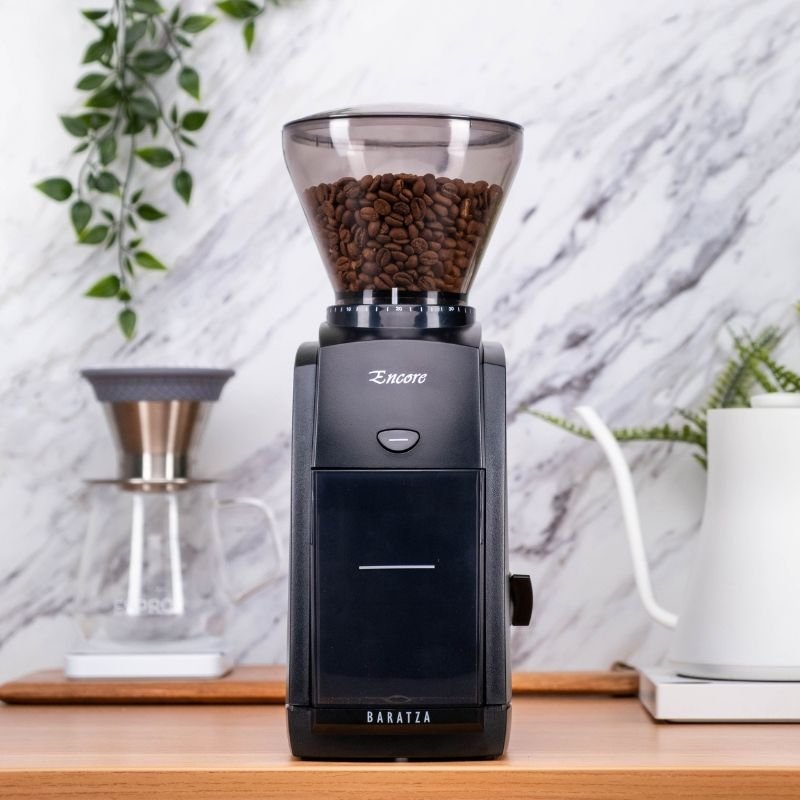
- Baratza Encore ESP: 40 stepped settings, with settings 1–20 dedicated to espresso. Baratza suggests starting around setting 15 for an 18-gram dose of medium roast — a concrete starting point, not a universal answer.
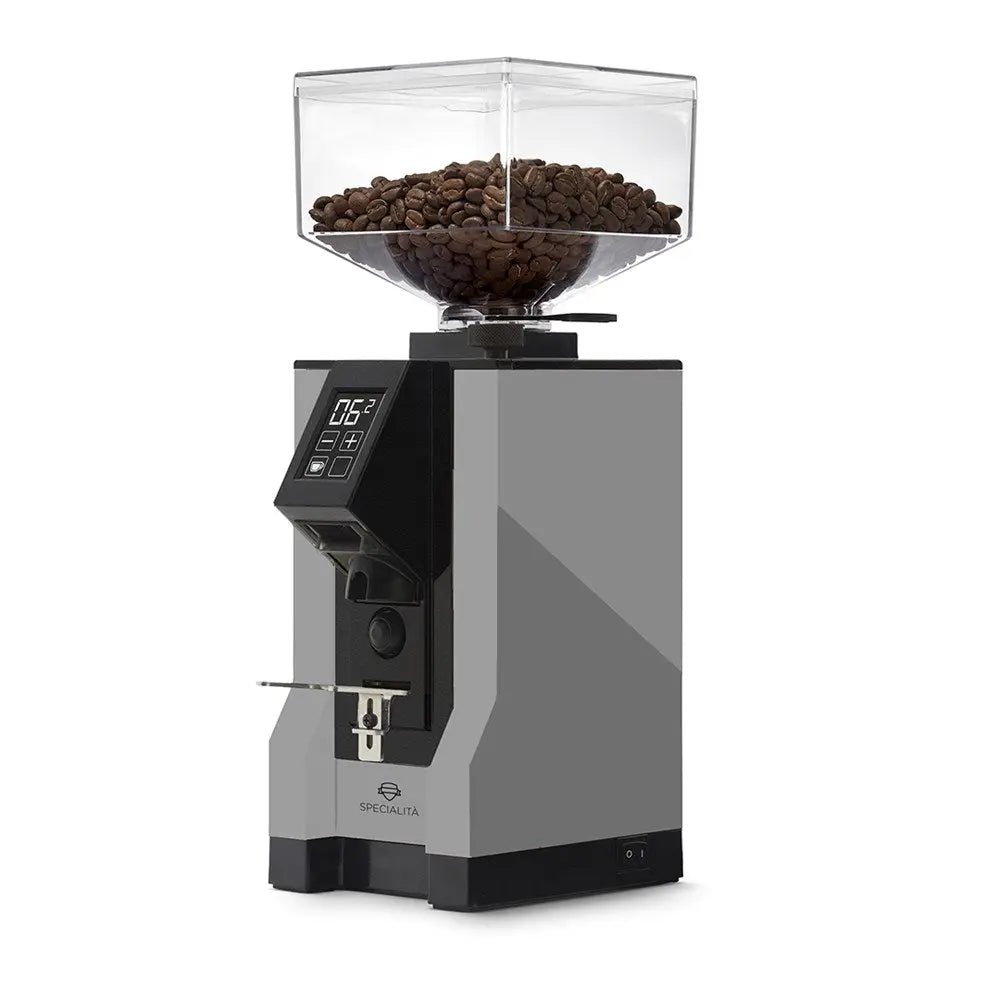
- Eureka Mignon Specialita: stepless micrometric adjustment — no clicks, infinite positions. You move the dial in tiny increments until the shot tastes right.
If your grinder cannot go fine enough, shots run fast and taste sour and thin. If it grinds too fine with no way to back off precisely, shots choke and taste bitter. Either way, the fix is a grinder with real espresso-range adjustability — see our conical vs flat burr grinder guide for what to look for.
Dose: How Much Coffee Per Shot
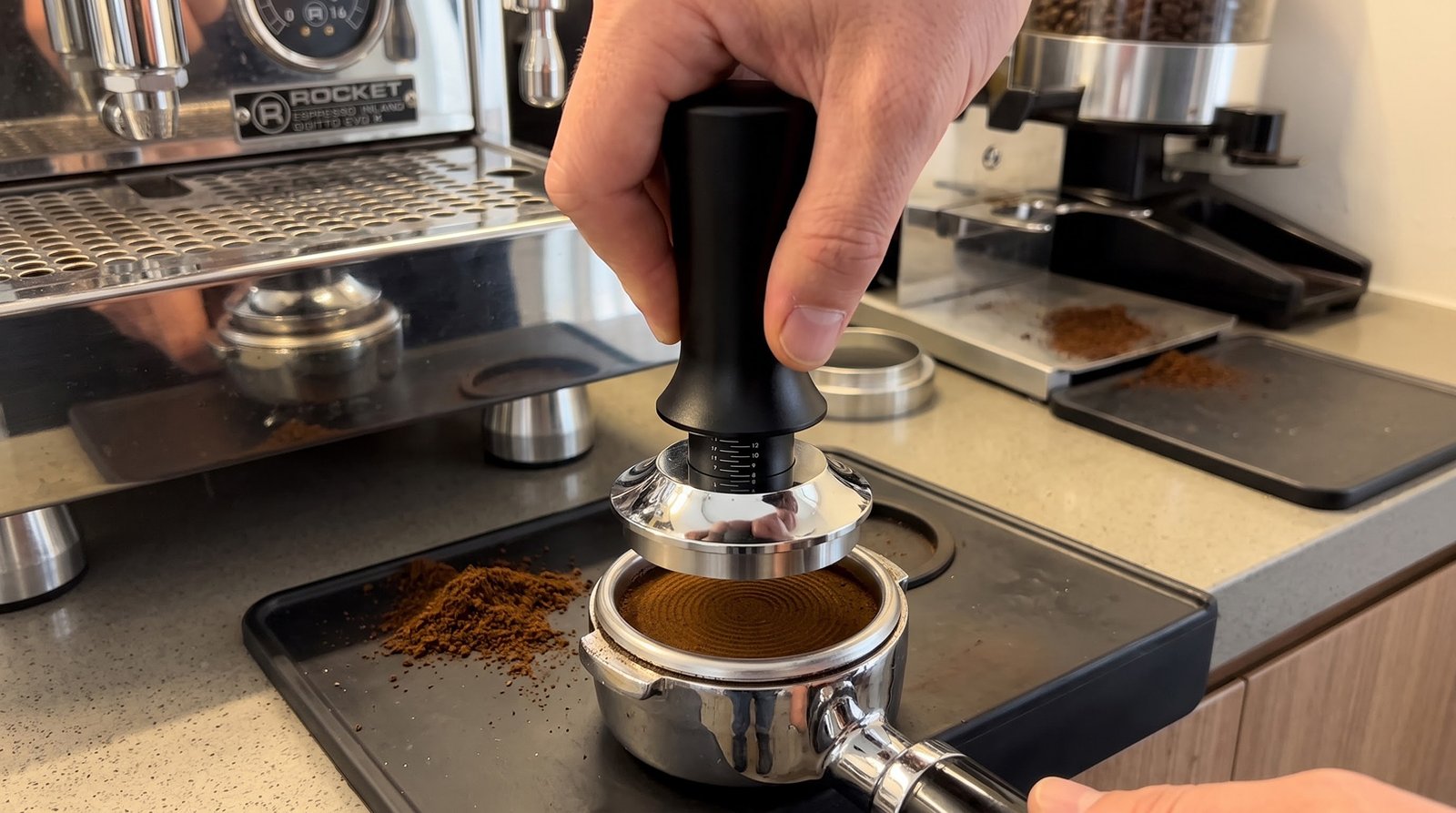
Dose is simply the weight of ground coffee in the portafilter, measured in grams. Standard starting points by basket size:
| Portafilter | Typical double-shot dose | Example machines |
|---|---|---|
| 54mm | 16–19 g | Breville Barista Express (54mm portafilter) |
| 58mm | 18–22 g | Gaggia Classic Pro, Rancilio Silvia, Breville Dual Boiler (58mm; Dual Boiler rated for 22 g) |
These are starting points, not rules. Lighter roasts are denser and often dose slightly lower; darker roasts are less dense and may need a gram or two more to fill the basket properly. The basket should be filled level with a small headspace below the shower screen — overfilling causes the puck to press against the screen and channel.
The 1:2 Brew Ratio Starting Point
The most widely used starting recipe in home espresso is a 1:2 brew ratio: for every gram of ground coffee, aim for two grams of liquid espresso in the cup. Examples:
- 18 g dose → 36 g espresso
- 20 g dose → 40 g espresso
- 22 g dose → 44 g espresso (the Breville Dual Boiler’s rated dose)
Time is the third variable: most guides target 25–30 seconds from pump start to final weight. Use a small kitchen scale under the cup — eyeballing volume is unreliable because crema volume varies.
Dialing In: A Repeatable Method
- Fix the dose. Weigh 18 g (or your basket’s rated dose) into the portafilter. Do not change the dose while dialing in — change only the grind.
- Pull and weigh. Start the shot and stop at roughly double the dose weight (36 g for 18 g in). Note the time.
- Taste and adjust:
- Shot ran fast (under ~25 s), tastes sour or thin: grind finer.
- Shot choked or dripped slowly (over ~35 s), tastes bitter or harsh: grind coarser.
- Shot landed 25–30 s and tastes balanced: you are dialed in. Write down the grinder setting.
- Only then tweak ratio. If the balanced shot tastes too intense, lengthen the ratio slightly (1:2.2); if too weak, shorten it (1:1.8). Change one variable at a time.
Fresh coffee complicates this: beans degas for days after roasting, so a setting that worked on day 5 may need a small adjustment on day 12. This is normal, and it is exactly why stepless or fine-stepped grinders earn their keep.
Common Dosing Mistakes
- Skipping the scale. Scoops and timers drift. A 0.1 g-resolution scale is the cheapest meaningful upgrade in espresso.
- Changing dose and grind together. Pick one variable per adjustment round or you will never know what fixed the shot.
- Ignoring the basket rating. A 58mm double basket designed for 18–22 g will not behave with 14 g in it. Match dose to basket.
- Grinding once for the whole bag. Humidity, bean age, and even time of day shift extraction. Expect small tweaks across a bag’s life.
Putting It Together
Grind size and dose are the two levers you will touch every day as a home barista. The gear matters — an espresso-capable grinder with fine adjustment (see our grinder guide) and a machine with stable temperature (see boiler types explained) — but the method matters more. Fix the dose, adjust only the grind, taste, repeat. Start from the Espressora homepage for the full setup picture.
4 thoughts on “Espresso Grind Size and Dosing: A Practical Guide”
Comments are closed.